
Trisodium Citrate: Our product information
As a reliable distributor of Trisodium Citrate, we are your global partner for sourcing high-quality products.
Product Specification
Trisodium Citrate the Ingredient for Food, Personal Care, and Cleaning Products
Trisodium citrate is a versatile additive used in various industries, including food technology and Home & Personal Care. As a salt of citric acid, it is often referred to as sodium citrate, although this term is somewhat imprecise since sodium citrate can exist in different forms with varying acidic effects. Trisodium citrate, sometimes available as trisodium citrate dihydrate or trisodium citrate-2-hydrate, is a highly sought-after ingredient in the food, cosmetic, and pharmaceutical sectors.
This additive has a mildly salty taste and is commonly found as a white, colorless powder. It readily dissolves in warm water, and its hygroscopic properties enable it to absorb moisture from the environment, binding water molecules effectively. This makes it valuable for various applications where moisture control or pH regulation is essential.
Trisodium Citrate Food Applications and Effects
Trisodium citrate serves various important functions in the food industry, making it a versatile and valuable additive. It acts as a preservative, acidifier, and effective acid regulator, contributing to the optimization of food products' shelf life, taste, and texture. Additionally, trisodium citrate possesses antioxidant properties, which can have several positive effects on both beverages and various food items. Its ability to act as a complexing agent, or sequestering agent, is significant, as it binds toxic substances in food, enhancing consumer safety by reducing the risk of poisoning.
In the beverage industry, trisodium citrate is employed to add a sour note, improve the shelf life of sodas, soft drinks, and other processed foods, and ensure the maintenance of taste and consistency. Furthermore, trisodium citrate is utilized in spices to provide a sour note and enhance their aroma, which can have a positive impact on the overall flavor profile of a variety of dishes and products.
Other foods containing trisodium citrate
Trisodium citrate, or sodium citrate, plays a crucial role in various food products across the industry. Its ability to act as a preservative, acidifier, acid regulator, and complexing agent makes it valuable for improving the shelf life, taste, and texture of a wide range of foods. It is widely used in ice cream, jams, baking powder, cheese, energy drinks, canned fruits, milk powder, fizzy drinks, jelly, meat products, and carbonated beverages. Trisodium citrate enhances the overall quality of these products by providing a sour note and other beneficial effects, contributing to consumer enjoyment and safety.
Its established reputation as a well-tolerated and safe additive makes it a popular choice for various food applications.
Trisodium citrate: Further uses of sodium citrate
Trisodium citrate, with its descaling and cleaning properties, is a versatile additive that finds applications beyond the food industry. In areas like home and personal care, it is used in products like dishwasher tablets, laundry detergents, shower products, creams, and shampoos to help maintain the ideal acidity levels. Its pH-regulating capabilities make it a valuable ingredient, especially for products intended for skin care, where the pH level is essential. In addition, its preservative effects can extend the shelf life of various care and cosmetic products.
Trisodium citrate also has applications in the pharmaceutical industry, where it is used in medications to treat urinary tract infections and to inhibit blood clotting. Furthermore, it is considered a suitable preservative in the feed additive industry. This broad range of applications highlights the importance of trisodium citrate in various fields, thanks to its multifunctional properties.
Trisodium Citrate Production: Technological Extraction
Trisodium citrate, like other citrates, is derived from citric acid. Citric acid can be sourced naturally from citrus fruits or produced through biotechnological means, often utilizing the mold Aspergillus niger. One common method for citric acid production is the fermentation of sugar-containing raw materials, such as molasses or corn, which generates citric acid. This citric acid is then used in a chemical reaction with sodium hydroxide, sodium carbonate, or bicarbonate to produce trisodium citrate, a versatile salt widely used in various industries.
Trisodium Citrate: Unique Traits and Benefits
Trisodium citrate is a multifunctional additive used in various industries, contributing to improved cleaning, pH regulation, flavor enhancement, and complexation. Its wide-ranging applications in the food, cleaning, cosmetic, pharmaceutical, and feed industries make it a versatile and essential component in many products, enhancing their performance, consistency, and safety.
Trisodium citrate distributor: We deliver high-quality additives
Are you seeking a distributor for trisodium citrate or exploring our other product offerings? Utilize our inquiry form to enable one of our skilled team members to promptly handle your request.
For sample requests, kindly specify the desired quantity and manufacturer. We'll reach out to you immediately to discuss your needs.

 XylitolCAS-Nr.87-99-0SynonymSweeteners / Sugar replacements
 Acacia GumCAS-Nr.9000-01-5SynonymGum arabic, arabic gum
 Acesulfame KCAS-Nr.55589-62-3SynonymAce K
 Agave SyrupCAS-Nr.-SynonymAgave
 Ascorbic AcidCAS-Nr.50-81-7SynonymVitamin C
 CaffeineCAS-Nr.58-08-2SynonymEnergy Ingredients
 Calcium SilicateCAS-Nr.1344-95-2SynonymCalcium silicon oxide, Calcium metasilicate
 Citric AcidCAS-Nr.77-92-9SynonymCAA
 DextroseCAS-Nr.1496309SynonymGlucose
 ErythritolCAS-Nr.149-32-6SynonymSweeteners / Sugar replacements
- GlycineCAS-Nr.56-40-6SynonymAminoacetic Acid
 L-CysteineCAS-Nr.52-90-4SynonymThioserin
 L-LysineCAS-Nr.657-27-2Synonym2,6-Diaminohexanoic Acid
 L-ThreonineCAS-Nr.72-19-5SynonymL-2-Amino-3-Hydroxybutyric Acid
 Magnesium CitrateCAS-Nr.7779-25-1SynonymAcidifiers / Acidity Regulators
 MaltitolCAS-Nr.585-88-6SynonymSweeteners / Sugar replacements
 Microcrystalline CelluloseCAS-Nr.9004-34-6SynonymCELLULOSE MICROCRYSTALLINE;Α-Cellulose
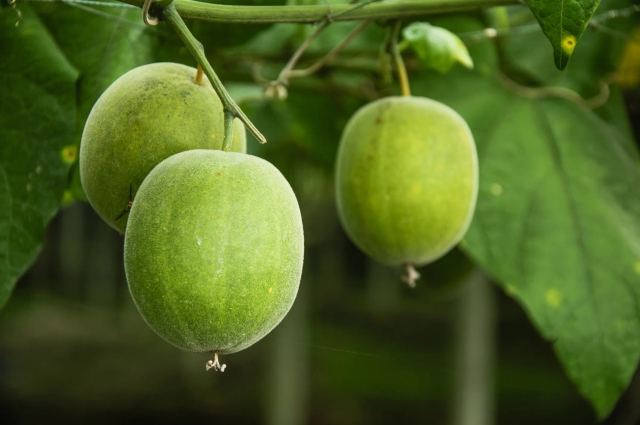 Monk FruitCAS-Nr.-SynonymLuo Han Guo
 NatamycinCAS-Nr.7681-93-8SynonymPimaricin
 Potassium SorbateCAS-Nr.24634-61-5SynonymPreservatives
 Potato StarchCAS-Nr.9005-25-8SynonymProtein / Starches
 Sodium AscorbateCAS-Nr.134-03-2SynonymSodascorbate
 Sodium DiacetateCAS-Nr.126-96-5SynonymSDA
 Sorbitol Crystalline PowderCAS-Nr.50-70-4SynonymD-Glucitol
 SucraloseCAS-Nr.56038-13-2SynonymTrichlorosucrose
 Tapioca StarchCAS-Nr.900-25-8SynonymProtein / Starches
 TaurineCAS-Nr.107-35-7Synonym2-Aminoethanesulfonic Acid
 Tripotassium CitrateCAS-Nr.866-84-2SynonymTPC
 Trisodium CitrateCAS-Nr.6132-04-3SynonymTSC
 VanillinCAS-Nr.121-33-5SynonymFlavors
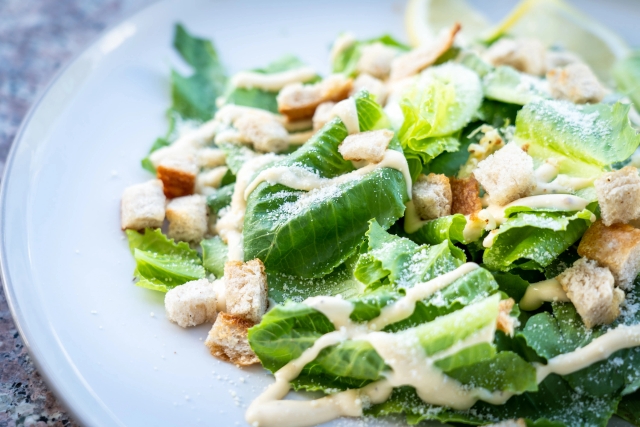 Xanthan GumCAS-Nr.11138-66-2SynonymXanthan
- XylitolCAS-Nr.87-99-0SynonymSweeteners / Sugar replacements
- Acacia GumCAS-Nr.9000-01-5SynonymGum arabic, arabic gum

128 South Tryon Street, Suite 1580 Charlotte,
NC 28202, USA
Jebsen & Jessen Life Science USA is part of the Jebsen & Jessen Hamburg Group


