Potato Starch: Our Product Information
As a potato starch supplier and distributor, Jebsen & Jessen Life Science can offer high-quality starch from potato for further processing and as a component of other products.
We frequently supply potato starch to a variety of businesses. Among our B2B clients are bakery companies, food production companies and pet food manufacturers, who use starch from potato for products ranging from pies and sauces, to gluten-free food and adult dog and puppy food.
Product Specification
Potato Starch: Common Uses and Application Areas
Potato starch is used for the following purposes:
- As a thickener in food
- As a natural starch binder
Potato starch is commonly used by businesses in the following industries:
- Bakery
- Sauces
- Noodles
- Gluten-free food
- Pudding
- Meat
- Pet food
Potato Starch: A Gluten-Free Thickener With Excellent Binding
Potato starch is an odorless and tasteless white powder, which is extracted from potato and used as a thickener in food products, including soups, sauces, gravies and pie fillings. It is one of the most popular starches available to food manufacturers, owing to its excellent binding properties.
Within the field of food production, where many of Jebsen & Jessen Life Science's B2B customers operate, starch from potato is able to improve the sensory qualities of many items, giving them a thick, silky and glossy quality, without adversely affecting the taste. The starch is sourced entirely from potato, which can also make it especially appealing to food companies prioritizing sustainability and the use of natural ingredients.
The extraction process itself is relatively simple. Potatoes are peeled and then crushed or ground up, allowing starch to be separated. This starch is then washed to remove impurities and excess moisture is removed. Once dried, the starch is milled into a fine powder.
One of the other desirable properties of potato starch is its gluten-free nature. This has helped to make it one of the go-to starch options for manufacturers creating gluten-free food products.
What is Potato Starch Used For? Exploring the Main Functions
The main use for potato starch is as a food additive. In particular, starch from potato is often used as a thickening agent, because it can increase the viscosity of sauces, soups, gravies, stews and similar products, without impacting the other essential qualities, such as the taste or smell.
In addition, its binding properties and gluten-free nature mean it is used as an ingredient in gluten-free flours and within baking more generally. The starch can help to provide structure to a variety of baked goods, including cookies, cakes and their gluten-free variants. Within the field of baking, starch from potato may also be used for its ability to retain moisture. We distribute high-quality potato starch on a B2B basis to bakery companies and gluten-free food manufacturers.
Potato starch can function as a direct replacement for cornstarch in a large number of recipes and has several key characteristics that may make it a preferable ingredient. For people who keep kosher, starch from potato can also function as an alternative to wheat flour during Passover.
Characteristics and Traits That Make Potato Starch Valuable
One of the most valuable traits starch from potato possesses when compared with other starch options, including cornstarch, is its low gelatinization temperature. This is especially important when it is used as a thickener for liquids, because it allows this thickening process to happen faster when heated. It is also able to hold up to high-temperature cooking better than cornstarch.
The comparatively large granule size of starch from potato provides it with excellent clarity, which can be crucial for retaining the visual appeal of many food items. Significantly, gels made using potato starch will be clearer than gels made using equivalent levels of cornstarch.
The neutral taste of potato starch is a major positive within the food industry, as it ensures the benefits can be used to improve food products without weakening or altering the flavor. Potato starch also has superior water-binding capacity to most alternative starch additives.
A Closer Look: Is Potato Starch Healthier Than Cornstarch?
Potato starch has characteristics that make it desirable in the food industry, especially in terms of creating texture and structure. With that being said, food manufacturers and others involved in food preparation also need to consider the impact ingredients have on how healthy food is.
In truth, neither cornstarch or potato starch have much in the way of nutritional value, which is often a positive with a food additive, as manufacturers do not want to add a thickening agent and significantly alter the nutritional value of a product. However, crucially, in a direct comparison between the two additives, potato starch has fewer carbohydrates and fewer calories.
Therefore, in situations where the two additives are interchangeable in usage, many companies will use potato starch to keep calories and carbohydrates to a minimum. Jebsen & Jessen Life Science is able to supply potato starch to businesses looking to reduce the calorie content of their foods, without adversely affecting taste, by from switching cornstarch to potato starch.
Potato Starch Distributor: We Deliver High-Quality Additives
If you are seeking a potato starch supplier or have an interest in other similar products, we urge you to make use of our inquiry form Our team of experts will be happy to assist you. Alternatively, you can request a sample by specifying your desired quantity and preferred manufacturer.

 XylitolCAS-Nr.87-99-0SynonymSweeteners / Sugar replacements
 Acacia GumCAS-Nr.9000-01-5SynonymGum arabic, arabic gum
 Acesulfame KCAS-Nr.55589-62-3SynonymAce K
 Agave SyrupCAS-Nr.-SynonymAgave
 Ascorbic AcidCAS-Nr.50-81-7SynonymVitamin C
 CaffeineCAS-Nr.58-08-2SynonymEnergy Ingredients
 Calcium SilicateCAS-Nr.1344-95-2SynonymCalcium silicon oxide, Calcium metasilicate
 Citric AcidCAS-Nr.77-92-9SynonymCAA
 DextroseCAS-Nr.1496309SynonymGlucose
 ErythritolCAS-Nr.149-32-6SynonymSweeteners / Sugar replacements
- GlycineCAS-Nr.56-40-6SynonymAminoacetic Acid
 L-CysteineCAS-Nr.52-90-4SynonymThioserin
 L-LysineCAS-Nr.657-27-2Synonym2,6-Diaminohexanoic Acid
 L-ThreonineCAS-Nr.72-19-5SynonymL-2-Amino-3-Hydroxybutyric Acid
 Magnesium CitrateCAS-Nr.7779-25-1SynonymAcidifiers / Acidity Regulators
 MaltitolCAS-Nr.585-88-6SynonymSweeteners / Sugar replacements
 Microcrystalline CelluloseCAS-Nr.9004-34-6SynonymCELLULOSE MICROCRYSTALLINE;Α-Cellulose
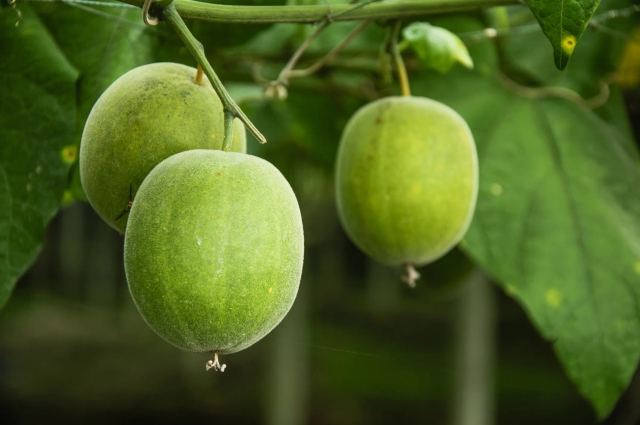 Monk FruitCAS-Nr.-SynonymLuo Han Guo
 NatamycinCAS-Nr.7681-93-8SynonymPimaricin
 Potassium SorbateCAS-Nr.24634-61-5SynonymPreservatives
 Potato StarchCAS-Nr.9005-25-8SynonymProtein / Starches
 Sodium AscorbateCAS-Nr.134-03-2SynonymSodascorbate
 Sodium DiacetateCAS-Nr.126-96-5SynonymSDA
 Sorbitol Crystalline PowderCAS-Nr.50-70-4SynonymD-Glucitol
 SucraloseCAS-Nr.56038-13-2SynonymTrichlorosucrose
 Tapioca StarchCAS-Nr.900-25-8SynonymProtein / Starches
 TaurineCAS-Nr.107-35-7Synonym2-Aminoethanesulfonic Acid
 Tripotassium CitrateCAS-Nr.866-84-2SynonymTPC
 Trisodium CitrateCAS-Nr.6132-04-3SynonymTSC
 VanillinCAS-Nr.121-33-5SynonymFlavors
 Xanthan GumCAS-Nr.11138-66-2SynonymXanthan
- XylitolCAS-Nr.87-99-0SynonymSweeteners / Sugar replacements
- Acacia GumCAS-Nr.9000-01-5SynonymGum arabic, arabic gum

128 South Tryon Street, Suite 1580 Charlotte,
NC 28202, USA
Jebsen & Jessen Life Science USA is part of the Jebsen & Jessen Hamburg Group


