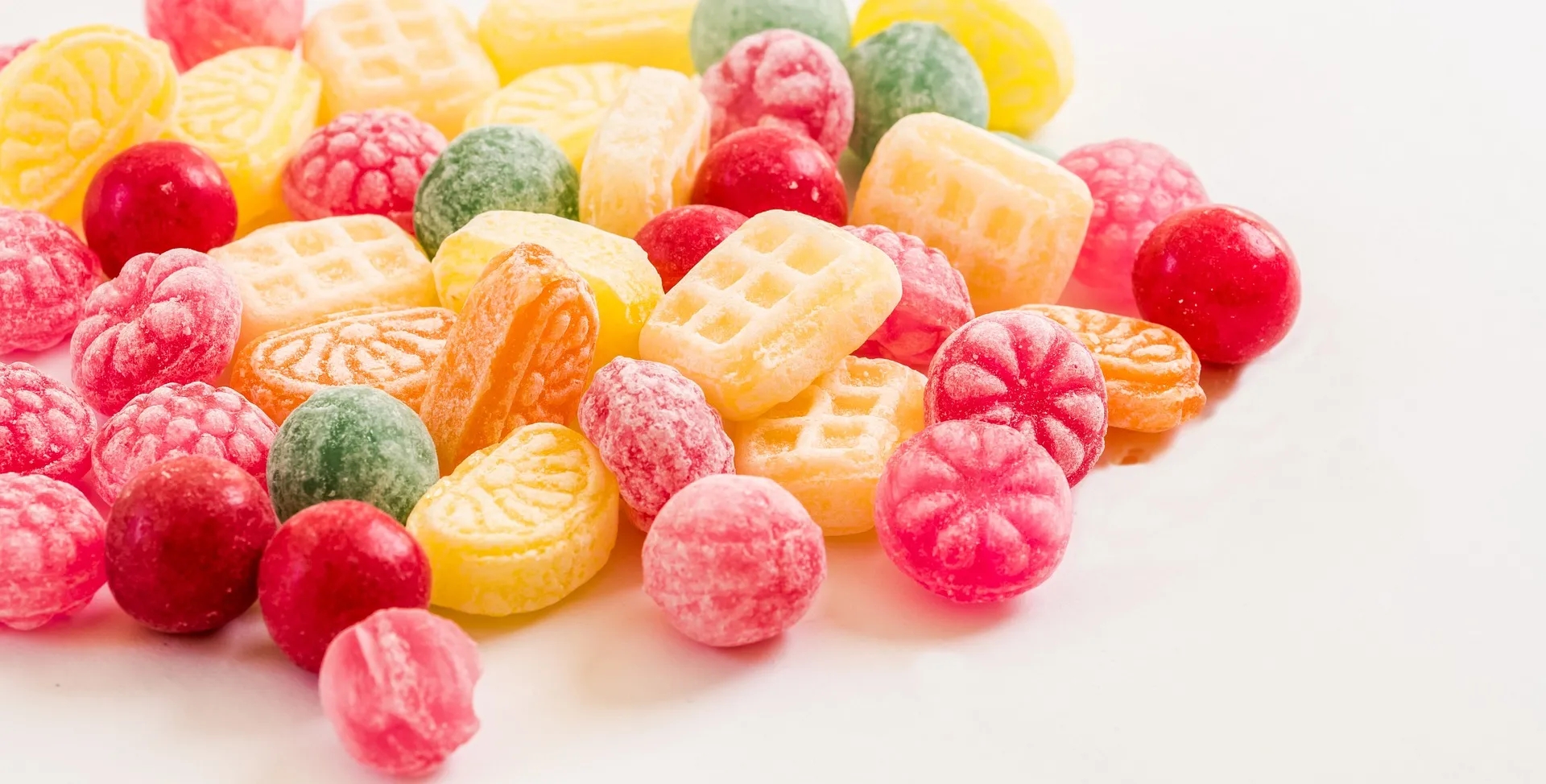
Maltitol: Our product information
As a reliable distributor of Maltitol, we are your global partner for sourcing high-quality products.
Product Specification
Maltitol: The Calorie-reduced Sweetener with Versatile Applications
Maltitol, a sugar alcohol commonly utilized as a sugar alternative in diverse foods and beverages, provides a comparable level of sweetness to sugar but with approximately 40% fewer calories. Typically derived from sources like corn or wheat, Maltitol is digested more gradually by the body in contrast to sugar, resulting in minimal impact on blood sugar levels.
In its crystalline state, Maltitol as a sugar substitute is roughly 90% as sweet as regular sugar, while in its liquid syrup form, its sweetness aligns closer to about 70% of conventional sugar's sweetness level. Available in a finely powdered, white form, this sugar substitute exhibits excellent water solubility.
Maltitol Production: Technological Extraction
Maltose, commonly referred to as malt sugar, is a crucial component in the production of Maltitol. Maltose is a natural product derived from the breakdown of starch. Starchy raw materials like corn or wheat are used to extract maltose, and enzymes (amylases) are employed to facilitate this process. Subsequently, maltose undergoes catalytic hydrogenation, where hydrogen atoms are added. This transformation results in the creation of the sweetener Maltitol.
Maltitol Sugar Substitute: Use in Foods
Maltitol, the sweetener, falls under the category of food additives used to enhance taste. However, it serves other significant functions in food technology.
Maltitol's sweetness is harnessed to provide reduced-sugar or low-calorie products with a more appealing flavor and increased sweetness without the need for actual sugar. It finds application in ice cream, jams, and desserts.
Due to its water-binding capabilities, Maltitol acts as a humectant in chocolate, marzipan, or nougat products. This property enhances the softness and prevents premature drying of the food.
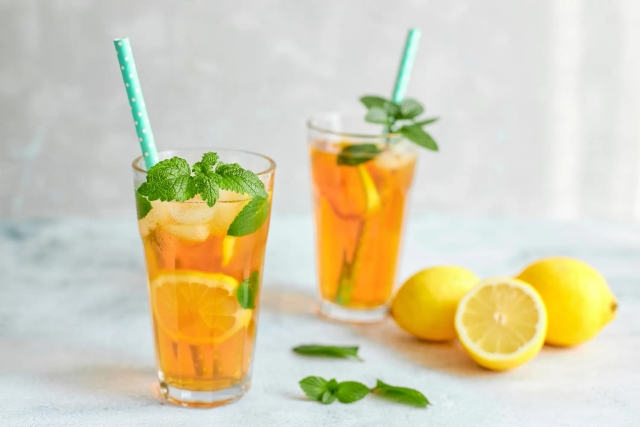
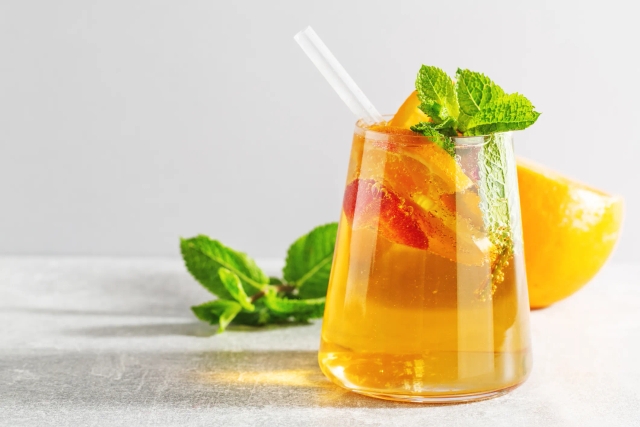
In beverages, Maltitol is frequently used as a substitute to offer a healthier option to traditional sugar. It's also suitable for people with diabetes, as it has minimal impact on blood sugar levels. Maltitol can easily be combined with other sweeteners.
Furthermore, Maltitol functions as a carrier for flavorings and vitamins, serving as a stabilizer. As an emulsifier, it prevents the separation of water and fats in sauces, soups, and mustard.
Maltitol: Other Applications of the Sweetener
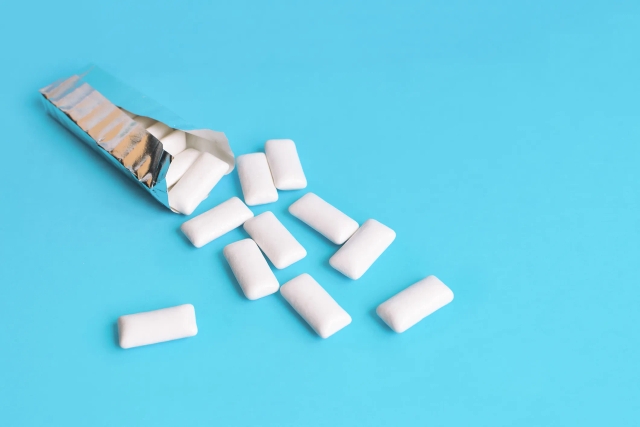
In addition to its use in food, Maltitol sweetener also finds applications in products related to dental health, such as toothpaste and sugar-free chewing gum. Unlike sugar, Maltitol has no adverse effects on dental health despite its sweet taste.
As a result, Maltitol is an excellent choice for providing dental products with a sweet aroma without compromising tooth health. Many sugar-free candies and sweets also use Maltitol for the same reason, allowing people to enjoy a sweet taste without harming their teeth.
Its Special Characteristics as a Sweetener
Maltitol is a popular choice for individuals seeking a healthier alternative to sugar in beverages. It offers sweetness while being low in calories, making it a preferred option for those looking to reduce their calorie intake.
Maltitol is also utilized in the cosmetic industry, where it acts as a humectant, helping to retain moisture in products. Additionally, its mild, slightly sweet scent makes it a valuable fragrance enhancer in cosmetics.
Maltitol Supplier: We Supply High-Quality Additives
Are you looking for a Maltitol distributor or interested in one of our other products? Please feel free to use our inquiry form so that one of our experienced staff can assist you with your needs as soon as possible. If you require a sample, please indicate the desired quantity and manufacturer. We will contact you promptly to discuss your requirements.

 XylitolCAS-Nr.87-99-0SynonymSweeteners / Sugar replacements
 Acacia GumCAS-Nr.9000-01-5SynonymGum arabic, arabic gum
 Acesulfame KCAS-Nr.55589-62-3SynonymAce K
 Agave SyrupCAS-Nr.-SynonymAgave
 Ascorbic AcidCAS-Nr.50-81-7SynonymVitamin C
 CaffeineCAS-Nr.58-08-2SynonymEnergy Ingredients
 Calcium SilicateCAS-Nr.1344-95-2SynonymCalcium silicon oxide, Calcium metasilicate
 Citric AcidCAS-Nr.77-92-9SynonymCAA
 DextroseCAS-Nr.1496309SynonymGlucose
 ErythritolCAS-Nr.149-32-6SynonymSweeteners / Sugar replacements
- GlycineCAS-Nr.56-40-6SynonymAminoacetic Acid
 L-CysteineCAS-Nr.52-90-4SynonymThioserin
 L-LysineCAS-Nr.657-27-2Synonym2,6-Diaminohexanoic Acid
 L-ThreonineCAS-Nr.72-19-5SynonymL-2-Amino-3-Hydroxybutyric Acid
 Magnesium CitrateCAS-Nr.7779-25-1SynonymAcidifiers / Acidity Regulators
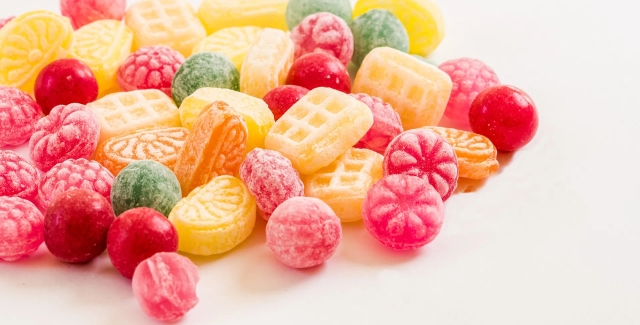 MaltitolCAS-Nr.585-88-6SynonymSweeteners / Sugar replacements
 Microcrystalline CelluloseCAS-Nr.9004-34-6SynonymCELLULOSE MICROCRYSTALLINE;Α-Cellulose
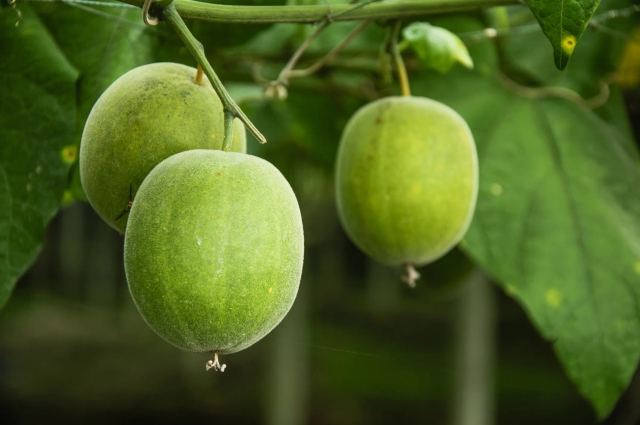 Monk FruitCAS-Nr.-SynonymLuo Han Guo
 NatamycinCAS-Nr.7681-93-8SynonymPimaricin
 Potassium SorbateCAS-Nr.24634-61-5SynonymPreservatives
 Potato StarchCAS-Nr.9005-25-8SynonymProtein / Starches
 Sodium AscorbateCAS-Nr.134-03-2SynonymSodascorbate
 Sodium DiacetateCAS-Nr.126-96-5SynonymSDA
 Sorbitol Crystalline PowderCAS-Nr.50-70-4SynonymD-Glucitol
 SucraloseCAS-Nr.56038-13-2SynonymTrichlorosucrose
 Tapioca StarchCAS-Nr.900-25-8SynonymProtein / Starches
 TaurineCAS-Nr.107-35-7Synonym2-Aminoethanesulfonic Acid
 Tripotassium CitrateCAS-Nr.866-84-2SynonymTPC
 Trisodium CitrateCAS-Nr.6132-04-3SynonymTSC
 VanillinCAS-Nr.121-33-5SynonymFlavors
 Xanthan GumCAS-Nr.11138-66-2SynonymXanthan
- XylitolCAS-Nr.87-99-0SynonymSweeteners / Sugar replacements
- Acacia GumCAS-Nr.9000-01-5SynonymGum arabic, arabic gum

128 South Tryon Street, Suite 1580 Charlotte,
NC 28202, USA
Jebsen & Jessen Life Science USA is part of the Jebsen & Jessen Hamburg Group


